

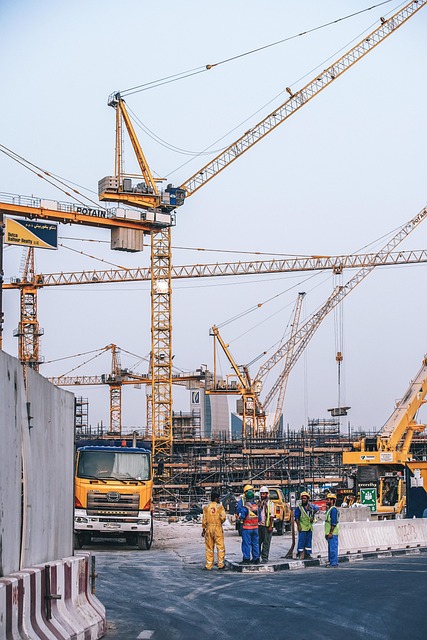
Construction Loan KOLKATA
Construction Loan steps
HELLO BUILDERS !
The Financial Doctors Room will help you to sanction your PROJECT
SBI
Construction Loan
Details
ROI: ~9.15% – 11.30%
Tenure: Up to 30 yrs
PNB
Construction Loan
Details
ROI: 8.50% – 11.45%
Tenure: Up to 30 yrs
Bank of Baroda
Construction Loan
Details
ROI: ~8.60% – 10.60%
Tenure: Up to 30 yrs
Canara Bank
Construction Loan
Details
ROI: 7.90% – 10.75%
Tenure: Up to 30 yrs
Union Bank
Construction Loan
Details
ROI: 8.50% – 12.65%
Tenure: Up to 30 yrs
Steps For Applying Construction Loan
1. Prepare Personal & Business Credentials
| Licenses & Certifications | Valid state license, specialty licenses (if required), certifications/CE proof |
| Insurance | General liability certificate, Workers’ compensation certificate |
| Portfolio | Photos (before/after), project descriptions (scope, timeline, cost), references/testimonials |
| Financial Records | Personal bank statements & tax returns (last 2–3 years), Business balance sheets & tax returns |
2. Prepare Project Documentation
| Construction Plans / Blueprints | Professionally drawn and approved plans; include detailed materials list and specifications |
| Detailed Budget & Cost Estimate | Labor, materials, permits, equipment, contingency (5–10%); itemized line items for lender review |
| Project Timeline | Include start and end dates; milestones for draws (foundation, framing, roofing, etc.) |
| Land or Property Documents | If land is owned, provide deed/title; if being purchased, provide purchase agreement |
3. Approach Lenders
| Category | Details |
|---|---|
| Identify Lenders | Banks, credit unions, or specialized construction lenders; consider private lenders if traditional financing is difficult |
| Prepare Loan Proposal | Executive summary of project, total cost and loan amount requested, expected completion and repayment plan |
| Submit Application | Include all personal, business, and project documentation |
| Prepare for Lender Questions | Project feasibility, past experience and reliability, risk mitigation (contingency funds, subcontractor reliability) |
4. Loan Approval & Funding
| Property Appraisal & Inspection | Lender may require site inspection and cost verification |
| Loan Terms Review | Interest rate, fees, repayment schedule; draw schedule (funds released in stages based on inspection) |
| Sign Loan Agreement | Include any personal or business guarantees if required |
| Set Up Draw Schedule | Coordinate with lender on milestone inspections for each fund release |
5. During Construction
| Manage Project Carefully | Stick to budget and timeline; keep detailed records of expenses and invoices |
| Request Draws | Submit completion proof for each milestone; schedule inspections as required by lender |
| Communicate with Lender | Update on delays or cost changes; avoid surprises that could halt funding |
6. Completion & Loan Conversion
| Final Inspection | Lender verifies completion of construction |
| Convert to Permanent Financing or Payoff | Construction-to-permanent loan if available; alternatively, refinance or pay off with a traditional mortgage |
| Close Out | Ensure all liens are cleared; keep documentation for tax and legal purposes |
How a Builder Gets RERA Approval (Registration Process)
| Step | Action | Documents | Notes |
|---|---|---|---|
| 1 | Register as Promoter on State RERA Portal | KYC, promoter details | Mandatory for all projects |
| 2 | Provide clear land title and ownership proof | Title deed, EC | No pending disputes |
| 3 | Upload approved layout and sanctioned plans | Building permissions | Approved by local authority |
| 4 | Submit financial details and cost estimates | CA-certified estimate | Ensures transparency |
| 5 | Open RERA escrow account (70% of project funds) | Bank documents | Funds must be project-specific |
| 6 | Provide promoter’s past project history | Completion records | Builds credibility |
| 7 | Pay the state-specific RERA registration fee | Receipt | Varies by state |
| 8 | Wait for RERA authority verification | — | Timeline differs |
| 9 | Receive official RERA Registration Number | — | Must be shown in ads & brochures |
Check if a Project Is RERA-Approved
| Step | What to Check | Where | Confirm |
|---|---|---|---|
| 1 | Visit Your State's Official RERA Website | Registered Projects Section | Only Govt. domain |
| 2 | Search by Project Name or Builder Name | RERA Search Bar | No spelling mistake |
| 3 | Check RERA Registration Number | Project Details Page | Must be active & valid |
| 4 | Verify Uploaded Documents | Plans, approvals, certificates | Match with builder info |
| 5 | Verify Project Timeline | RERA Timeline Section | Same as builder promise |
| 6 | Check Construction Status Updates | Quarterly progress | Must be updated |
| 7 | Check Complaints Against the Project | Complaints/Disputes Tab | Important for safety |
| 8 | Check RERA Registration Validity | Registration Info | Should not be expired |
| 9 | Download RERA Certificate | Documents Section | Verify builder details |
Preparation for Lender/Banks Questions
1. Do you have experience with projects like this?
Yes, I have completed 12 residential homes similar in size and complexity, all delivered on schedule and within budget.
2. Are your licenses current and valid?
Yes, I hold a valid state contractor license along with specialty certifications in electrical and plumbing.
3. Do you have insurance coverage?
Yes, I maintain general liability and workers’ compensation insurance to cover all potential risks.
4. Can you provide references from past projects?
Absolutely, I have a portfolio of past clients and subcontractors who can vouch for timely and quality completion.
5. Who are your key subcontractors?
I work with a trusted team of subcontractors for electrical, plumbing, and roofing, all with 5+ years of collaboration experience.
1. What is the project timeline?
The project will start in March and complete in December with defined milestones for foundation, framing, roofing, and finishing.
2. Have permits and approvals been obtained?
Yes, all zoning, building, and environmental permits have been approved and documented.
3. How will you handle delays or unexpected site issues?
We have scheduled buffers and backup subcontractors and suppliers to mitigate delays, plus contingency planning for unforeseen events.
4. Is the project cost accurately estimated?
Yes, detailed line-item budgeting was done including materials, labor, permits, and a 10% contingency fund.
5. Do you have a risk management plan?
Yes, we identify potential risks in advance, assign responsibility, and maintain funds to address issues promptly.
1. What is your credit history?
I maintain a good credit score with no defaults or late payments on prior projects.
2. Can you provide bank statements and tax returns?
Yes, I have 2 years of business and personal tax returns and 3 months of bank statements ready for review.
3. How much personal investment is going into the project?
I am contributing 20% of the total project cost from my own capital to demonstrate commitment.
4. Do you have other projects running concurrently?
Currently, I am only committed to this project to ensure resources and focus are dedicated fully.
5. Do you have access to additional funds if required?
Yes, I have a line of credit and contingency reserves to cover any unforeseen costs.
1. How do you handle construction delays?
We use scheduling buffers, alternate suppliers, and proactive communication to minimize delays.
2. How will you manage cost overruns?
We maintain a 10% contingency fund and monitor expenses weekly to control overruns.
3. Do you carry performance bonds?
Yes, we carry bonds to protect both the lender and clients from incomplete work.
4. How do you mitigate subcontractor or supplier failure?
We work with reliable, vetted subcontractors and maintain secondary suppliers for key materials.
5. What is your plan for natural or environmental disruptions?
We monitor weather forecasts, have insurance coverage, and maintain flexible scheduling for critical tasks.
1. What amount are you requesting?
We are requesting ₹5,00,000 to cover construction costs, permits, and contingency funds.
2. What is your repayment plan?
The loan will be interest-only during construction and repaid via project sale or conversion to a permanent mortgage.
3. Are there co-signers or guarantors?
No co-signers are needed; I provide personal guarantees and sufficient collateral.
4. How will the draw schedule work?
Funds will be released in stages after each milestone inspection: foundation, framing, roofing, and final completion.
5. What if costs exceed the budget?
We will cover excess costs from contingency funds and additional business capital if necessary.
1. How will you update the lender on progress?
Monthly reports including expenses, progress photos, and milestone verifications will be submitted.
2. How will documentation be maintained?
All invoices, receipts, and permits are stored digitally and backed up to ensure transparency.
3. How quickly will you respond to lender inquiries?
We respond within 24 hours to all inquiries and provide immediate clarification when needed.
4. Will the lender have access to on-site inspections?
Yes, lenders can inspect the site at each milestone to verify progress and fund release.
5. How will you handle project issues?
All issues are documented, reported to the lender, and corrective measures are implemented immediately.
Tips for Handling Lender Questions
- Be Transparent: Lenders appreciate honesty about risks and how you plan to handle them.
Bring Documentation: Have your budget, timeline, portfolio, and permits ready.
Highlight Experience: Show them that your track record proves you can deliver on time and on budget.
Show Contingency Planning: A 5–10% contingency fund can make lenders more comfortable.
Practice Clear Explanations: Be able to describe costs, timelines, and risks without hesitation.